
On May 4, people around the world mark a quiet but powerful day: Sex Work is Survival. It’s not a celebration. It’s a demand. For thousands of people who exchange sex for money, it’s not a choice between dignity and poverty-it’s the only way to eat, pay rent, or keep their children safe. This isn’t about fantasy or entertainment. It’s about survival in a world that criminalizes the very act of staying alive.
Some people find work through platforms like escortgirlparis, where they set their own hours, screen clients, and avoid street-level dangers. These spaces, flawed as they may be, offer more control than being forced onto sidewalks or alleys where violence is routine. The difference between safety and death often comes down to whether someone can work in the open-or is pushed into the shadows by laws meant to protect them.
Why Criminalization Doesn’t Protect-It Endangers
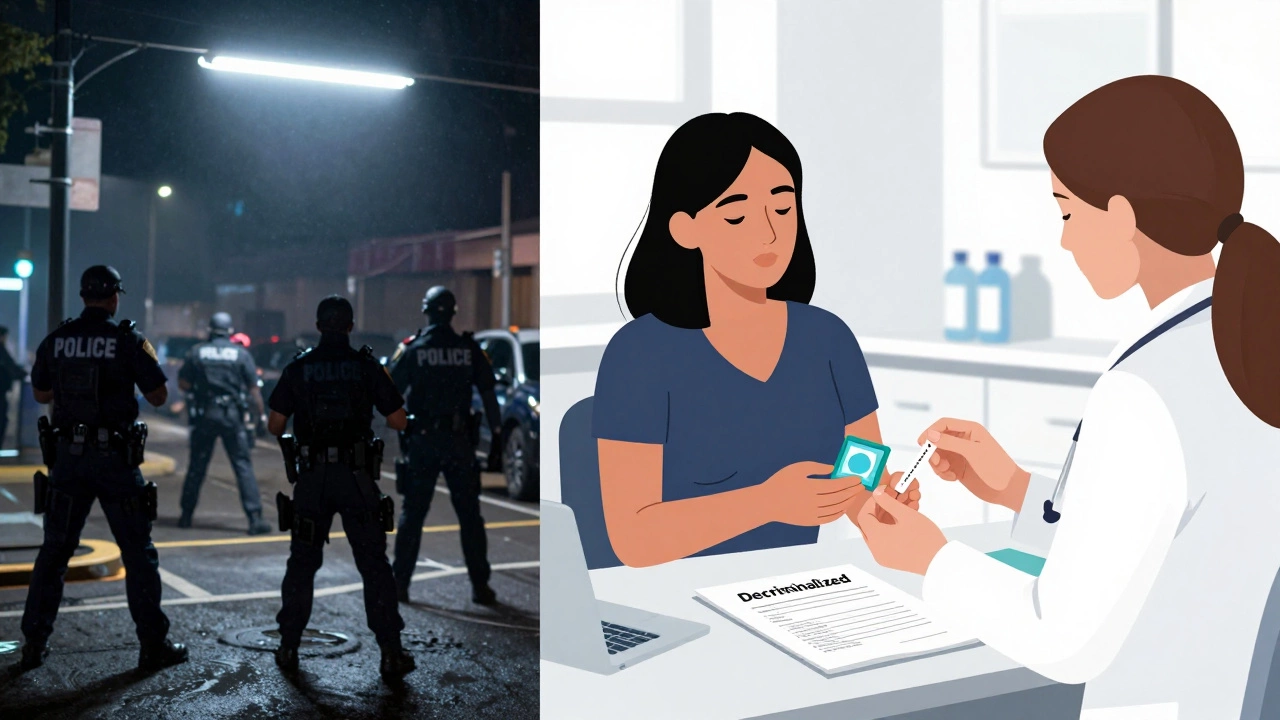
Every time a law targets sex work, it doesn’t reduce demand. It just makes the work more dangerous. Police raids, fines, and arrests don’t help sex workers-they make them less likely to report rape, assault, or theft. Why? Because reporting means risking arrest themselves. In places where sex work is illegal, workers are treated as criminals, not victims. A 2023 study from the Global Network of Sex Work Projects found that in countries with criminalized sex work, workers were 13 times more likely to experience violence than in places where it was decriminalized.
When you criminalize survival, you don’t stop people from doing it. You just make them hide. And when they hide, they can’t access health services, legal support, or safe spaces. They’re forced to work faster, take riskier clients, and avoid calling for help-even when they’re being harmed.
Decriminalization Works-Here’s How
New Zealand decriminalized sex work in 2003. No licenses. No registration. No police interference unless a crime like assault or trafficking occurs. What happened? Violence dropped by 40%. Workers reported better mental health. Access to condoms and STI testing went up. Clients became more respectful because they knew the worker had legal rights.
That’s not luck. It’s policy. When sex work is treated like any other job-with labor rights, health protections, and legal recourse-the power shifts. Workers can negotiate safer conditions. They can say no to a client without fear. They can walk away from a bad situation and call the police without being arrested themselves.
Compare that to Australia, where sex work is legal in some states but heavily regulated. In New South Wales, it’s decriminalized. In Victoria, it’s licensed. In Queensland, it’s still criminalized. The result? Workers in decriminalized areas report fewer incidents of violence and better access to healthcare. The difference isn’t subtle-it’s life or death.
The Myth of the ‘Rescued’ Sex Worker
Too often, people assume every sex worker needs saving. That’s not just wrong-it’s harmful. Many sex workers choose this work because it pays better than retail, caregiving, or cleaning jobs. It offers flexibility for single parents, students, migrants, or people with disabilities. Some work part-time to pay off debt. Others rely on it as their only stable income.
When charities or governments push ‘exit programs,’ they often assume everyone wants to leave. But without real alternatives-affordable housing, living wages, childcare-there’s nowhere to exit to. Forced ‘rescue’ often leads to homelessness, deportation, or deeper poverty. Real support means giving people options, not taking away their only one.
There’s a reason so many sex workers say: ‘Don’t save me. Just stop arresting me.’
What ‘Escortr Paris’ and ‘Escort Girl Pari’ Reveal About the Industry
The search terms ‘escortr paris’ and ‘escort girl pari’ might look like typos. But they’re real. People type them because they’re searching for services in French-speaking areas. These misspellings show how deeply embedded sex work is in everyday life-even when it’s hidden. People aren’t looking for fantasy. They’re looking for companionship, intimacy, or relief from loneliness. And sex workers are meeting that need, often under impossible conditions.
These searches also reveal the digital reality of the industry. Most sex workers now use online platforms to screen clients, set boundaries, and avoid street risks. But even these platforms are under pressure. Payment processors shut down accounts. Social media bans content. Ads get flagged as ‘inappropriate.’ It’s not about morality-it’s about control. The same systems that claim to protect women are the ones silencing them.
When you criminalize the tools sex workers use to stay safe, you’re not protecting them. You’re cutting off their lifelines.
How You Can Help-Without Patronizing
You don’t need to understand sex work to support it. You just need to stop supporting laws that hurt it. Here’s what actually helps:
- Advocate for full decriminalization in your country. Not legalization. Not regulation. Decriminalization.
- Donate to sex worker-led organizations like SWOP, Red Umbrella Fund, or Scarlet Alliance.
- Challenge the idea that sex work is inherently exploitative. Not all exploitation comes from clients-it comes from laws, stigma, and poverty.
- Don’t report a sex worker to the police. Ever. Even if you think you’re helping.
- Listen to sex workers. Read their stories. Amplify their voices. Don’t speak for them.
Support doesn’t mean pity. It means justice.
What’s Next? The Fight Isn’t Over
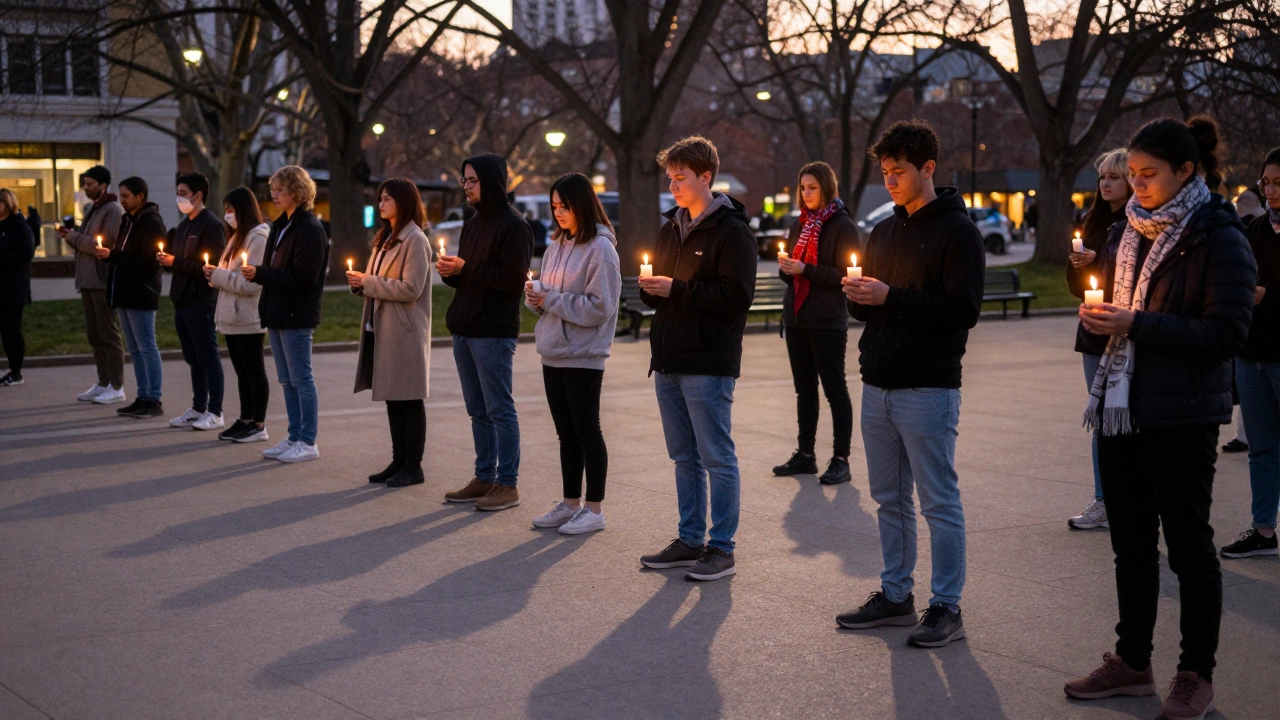
On May 4, sex workers and allies light candles. They don’t shout. They remember. They remember those lost to violence. They remember those silenced by stigma. They remember the ones still working because they have no other choice.
The next step isn’t more campaigns. It’s policy change. It’s removing laws that treat survival as a crime. It’s funding housing, healthcare, and job training-not policing.
If you believe in safety, dignity, and human rights, then you believe in decriminalizing sex work. Not because you agree with it. But because you refuse to let people die for trying to live.